Frequently Asked Questions About
2026 Grand Rapids Real Estate Resolutions
How is the Grand Rapids housing market expected to behave through 2026?
The Grand Rapids housing market is moving into a calmer phase through 2026. Instead of bidding wars and double-digit price jumps, most projections point to a soft landing. Home values are expected to grow at roughly 3% to 4% per year. This slower pace makes it easier for homeowners to plan and helps investors focus on solid deals rather than quick flips. A stable market often means less pressure on buyers and sellers and more room to make clear, long-term decisions.
What do the new Grand Rapids zoning rules and ADU options mean for my property?
Grand Rapids is updating zoning to support more housing on existing lots. Accessory dwelling units (ADUs) are now easier to build, with a smoother permit process, fewer owner-occupancy limits in many areas, and lighter parking rules. For homeowners, an ADU can be a space for family, a home office, or a long-term rental that helps cover the mortgage, especially with interest rates around 6%. For investors, new rules also support small multifamily options, such as duplex conversions, small apartment buildings, and backyard cottages on the right lots. Checking the city’s zoning maps and talking with a local agent helps you match your lot to the best use.
Which Grand Rapids areas may see the biggest impact from the river and amphitheater projects?
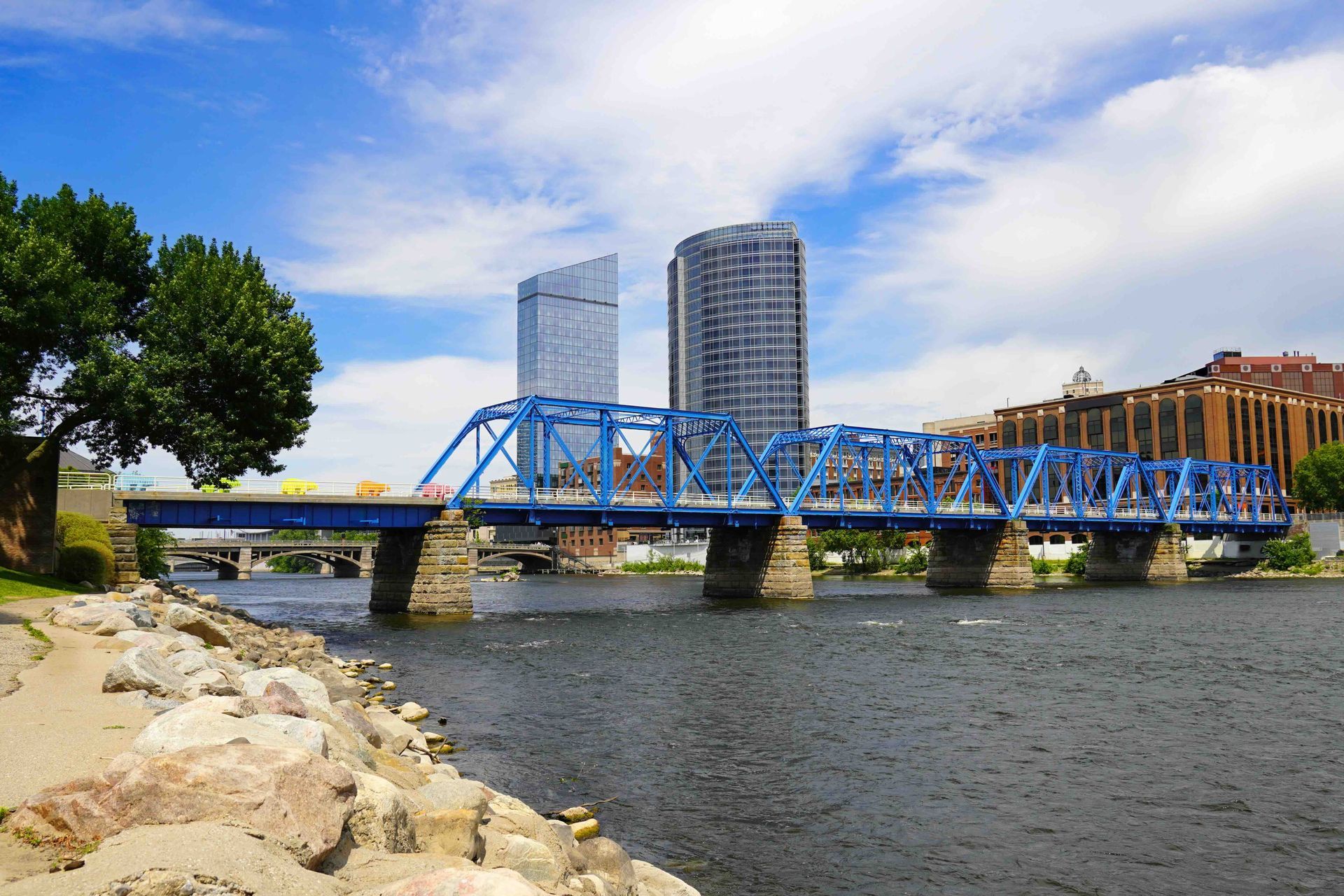
Two major projects, the Acrisure Amphitheater and the Restore the Rapids effort on the Grand River, are set to shape demand in 2026 and beyond. Properties within walking distance of the amphitheater and the proposed soccer stadium, especially on the Southwest side and along the Market Avenue corridor, are likely to gain from more visitors, events, and new businesses. Restore the Rapids is expected to improve recreation and views along the river, which should draw more interest to Monroe North and parts of the West Side. Owners in those areas can benefit by upgrading curb appeal and outdoor spaces and highlighting river access and trail connections in listings.
How should Grand Rapids homeowners prepare for wetter weather in 2026?
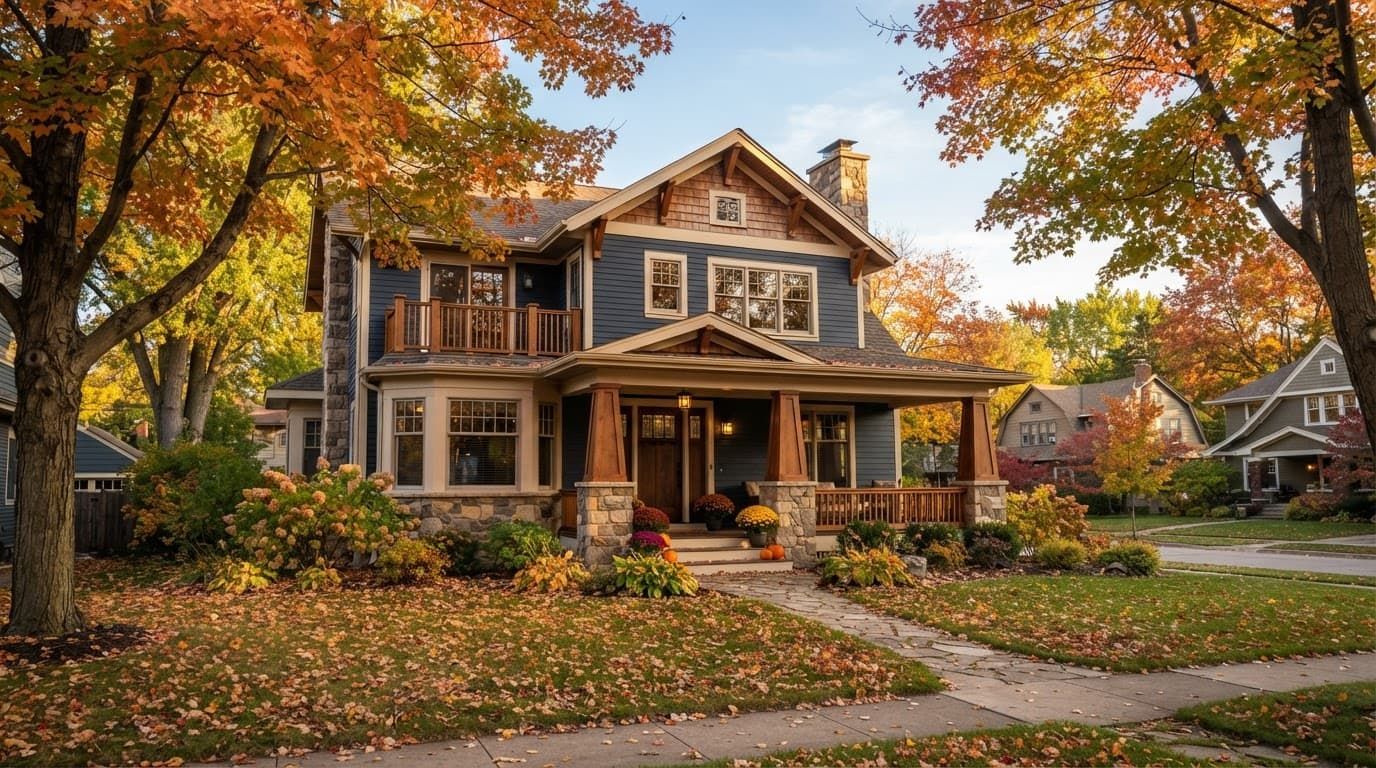
Grand Rapids may be a “climate haven,” but it is still seeing wetter springs and heavier storms. This puts more stress on roofs, basements, and drainage, especially in older neighborhoods like Eastown and Heritage Hill. Homeowners should focus on water control first. That includes extending downspouts 6 to 10 feet from the foundation, fixing grading so water flows away from the house, and adding a battery backup to sump pumps. It also means checking attic insulation and ventilation to prevent ice dams and planning for roof replacement if the roof is older than about 15 years. These steps cost less than major water damage and are attractive to buyers when you sell.
What should investors know about Michigan property taxes and rental trends in Grand Rapids?
Michigan property taxes use a capped taxable value that resets when a property sells. Long-time owners often pay less than new buyers on the same street. When you buy in 2026, the taxable value will likely “uncap” to your purchase price, which can raise your tax bill compared to the seller’s. Investors should always run numbers using full current value taxes, not the old bill. At the same time, downtown-area rentals are softening as more apartments open. Landlords need to compete with better finishes, in-unit laundry, air conditioning, and pet-friendly policies. Staying on top of city work, like lead service line replacement, also protects your units and supports good tenant communication.