Grand Rapids Relocation Guide for College Parents and Recent Grads After Summer Orientation: Find Your Best Neighborhood Fit
There is no single right answer when you are trying to locate the
best neighborhoods in this family-friendly city. The ideal fit depends on commute time, housing budget, yard space, walkability, and how long you expect to stay near downtown Grand Rapids.
Choose Walkable In-City Living Near Work, Campus, and Entertainment
Eastown is a natural choice for people who want coffee shops, local restaurants, markets, and a lively neighborhood feel that taps into the vibrant craft brewery scene. It attracts students, young professionals, and renters who want to be close to city life without living right in the center.
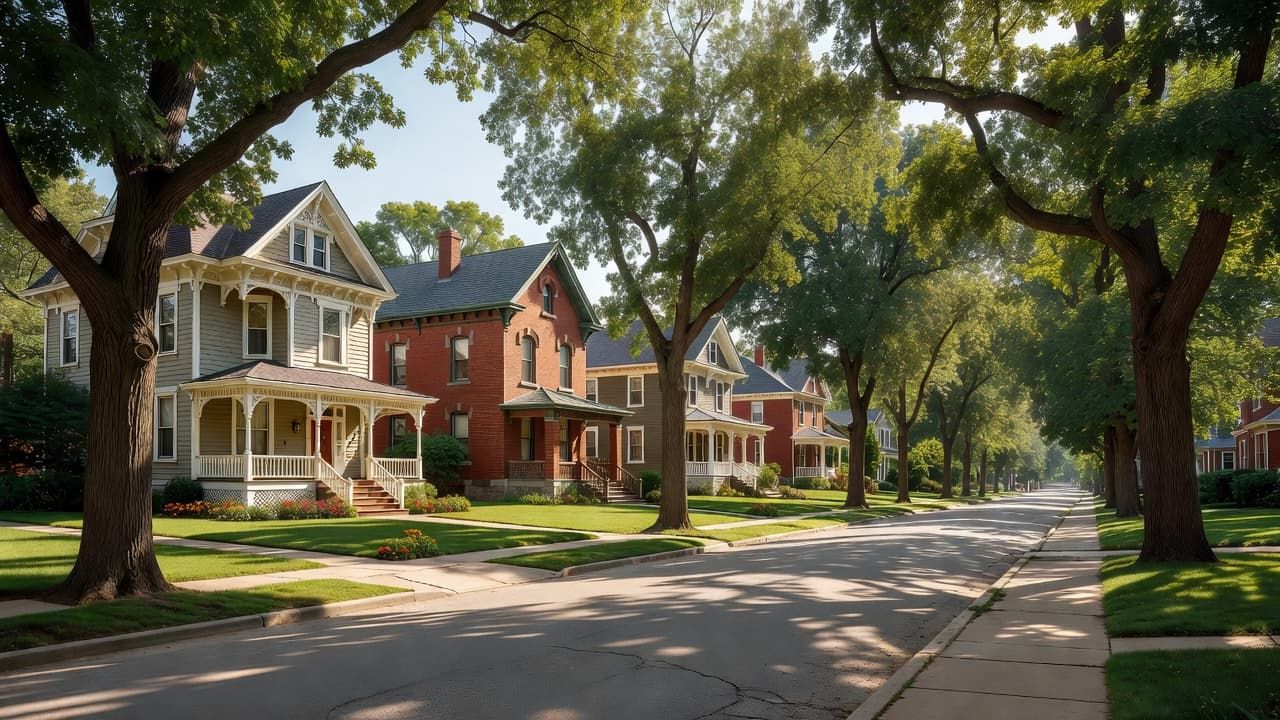
Heritage Hill brings historic homes, tree-lined streets, and quick access to downtown and the Medical Mile. Homes in Heritage Hill have plenty of character, but older properties can also bring older systems, tighter driveways, and maintenance needs. When exploring options near downtown Grand Rapids, these historic homes offer unmatched architectural appeal for buyers who love vintage details.
Fulton Heights and Creston are worth a look for buyers and renters who want green space, local businesses, and a stronger residential feel. Downtown and Heartside fit recent grads who value concerts, local restaurants, nightlife, and a short trip to work more than a large yard.
Check the block, not only the neighborhood name. Street parking, noise, building condition, and the walk home after dark can vary a lot within a few blocks.
Consider Budget-Friendly Family Neighborhoods Inside Grand Rapids
Alger Heights, Kentwood, and Garfield Park can offer more breathing room while keeping the city close. Alger Heights has a quieter feel around its Eastern Avenue business district, with local shops and easy access to nearby main roads.
Kentwood is diverse, family-friendly, and full of everyday conveniences. Housing styles vary across these suburban communities, so compare each home rather than assuming every part of the area feels the same. Garfield Park gives residents access to green space and a south-side location that may work well for certain commutes.
Navigating the Grand Rapids housing market can feel simpler when you look at some of the best neighborhoods that provide a smooth transition for families moving to Grand Rapids. These areas often grant convenient access to local public school districts as well.
Use Realtor.com's Grand Rapids market overview as one current price reference, then compare active listings on the streets you are considering. Confirm school boundaries, local taxes, and property details before making a decision.
Look East for Space, Schools, and a Longer-Term Home Base
Families planning to stay longer often look east toward Forest Hills, East Grand Rapids, Ada, and Cascade. Forest Hills is known for larger lots, quieter streets, and a downtown commute that can be about 15 to 20 minutes, depending on the exact address and traffic.
East Grand Rapids offers Reeds Lake, Gaslight Village, walkable streets, and sought-after public school districts. Buyers should expect a higher price point here. Entry-level homes may be near the $450,000 to $500,000 range, and property taxes can be higher in East Grand Rapids than in surrounding areas.
Ada and Cascade appeal to buyers looking for newer homes, larger floor plans, trails, and small downtown areas. These suburban communities often provide great spots for outdoor activities, making them ideal for growing households across West Michigan.
Families moving to Grand Rapids who prioritize strong public school districts will find that eastern suburban communities like East Grand Rapids deliver exceptional value. These areas combine strong academic networks with plenty of outdoor activities, offering a high quality of life throughout West Michigan.