Grand Rapids Home Inspection Checklist for Sellers: October Prep

CHG Team
September 17, 2026

To prepare a Grand Rapids home for an October inspection, sellers should clear access to major systems, address visible leaks and drainage problems, service the furnace, protect exterior plumbing, test safety devices, and organize repair records.


Cooler temperatures, steady rain, wind, and early snow can expose issues like hidden leaks, drainage trouble, drafts, and heating issues that were less noticeable during summer. Taking care of small maintenance items early can help buyers, inspectors, and appraisers evaluate the home with fewer questions and delays.


A Grand Rapids home inspection checklist starts with one simple goal: make your home safe, accessible, and easy to evaluate. Buyers and appraisers should see responsible maintenance, not unanswered questions, during a full home inspection and appraisal.

A little preparation now can make the inspection, appraisal, negotiation, and closing process feel much less stressful when selling a home in Grand Rapids.


October Inspection Prep Checklist for Grand Rapids Sellers


  • Clear access to the attic, basement, crawlspace, electrical panel, furnace, water heater, and sump pump.
  • Repair active leaks, loose railings, damaged caulk, and visible safety concerns.
  • Clean gutters, clear window wells, and direct water away from the foundation.
  • Schedule furnace service if needed, replace filters, and test the thermostat.
  • Disconnect garden hoses and protect vulnerable plumbing before freezing weather.
  • Test smoke and carbon monoxide alarms.
  • Gather repair invoices, warranties, permits, and service records.
  • Schedule appointments before shorter days, wet weather, and early snow create delays.
  • Ask your real estate agent which repairs are worth handling before listing.


A clean, bright, well-maintained home feels easier to evaluate. That impression can carry through every stage of the sale.

Are You Preparing for a Buyer Inspection or a Pre-Listing Inspection?

Most sellers use this checklist to prepare for the buyer’s inspection after accepting an offer. Some sellers also choose to order a pre-listing inspection before putting their home on the market.


A pre-listing inspection can help uncover repair needs early, but it is optional. Your
Cornerstone Home Group agent can help you decide whether it makes sense for your home, timeline, and selling strategy.


How to Prepare Your Grand Rapids House for Pre-Winter Inspections and Appraisals in October

Don't wait until the morning of the appointment. During the inspection, a home inspector needs access to major systems, while appraisers need a clear view of the home's condition, updates, and usable space.


Schedule an inspection early enough to complete repairs and gather documentation. Ask a prospective inspection company about its scope, report format, availability, and whether it offers a satisfaction guarantee.


Finish known repairs before the visit when possible. Keep invoices, service reports, permits, warranties, and before-and-after photos together in one folder. Organized records can help buyers understand a completed repair more easily than an unfinished project with no documentation.


You can see our real estate resources for Grand Rapids buyers and sellers right on our website.


Clear every inspection area and make the home easy to evaluate

Start with access. Clear a path to the attic hatch, basement, crawlspace, electrical panel, electrical system, furnace, water heater, sump pump, windows, kitchen appliances, and exterior walls before the inspector’s visit. Stored boxes, holiday bins, furniture, and laundry shouldn't block equipment or foundation walls.


Replace burned-out bulbs in utility rooms, closets, hallways, exterior fixtures, and stairwells. Unlock gates, move vehicles if they block the garage or exterior walls, and secure pets before anyone arrives.


October daylight disappears early. Keep walkways dry, clear leaves from steps, and make sure exterior lighting works. A full home inspection is easier when paths are bright, dry, and free from safety hazards.


Radon testing is typically separate from a standard home inspection. The Michigan Department of Environment, Great Lakes, and Energy states that testing is the only way to know a home’s radon level, and it provides radon guidance for real estate transactions.


If your home has a basement or lower level, ask your agent and inspection provider whether testing should be part of your sale plan.


Fix the fall problems inspectors notice first

Small repairs matter because a full home inspection can highlight patterns. Buyers notice a dripping faucet, sticky door, loose handrail, peeling caulk, damaged screen, or missing outlet cover.


Together, those small items can make people wonder about the bigger systems behind the walls.


Walk through your home with fresh eyes. Check for loose railings, cracked exterior surfaces, dripping downspouts, moisture stains, doors that don't latch, deadbolt locks, and caulk gaps around tubs, showers, windows, and exterior trim. Fix what you can safely handle, then call a qualified professional for work beyond your comfort level. A professional can address those concerns before a home inspection.


  • Buyers can accept a home that needs updates. What worries them is a home that looks ignored.

Damaged gutter hanging between white house roof gables with missing shingles

Prepare Your Grand Rapids Home's Roof, Gutters, and Drainage Before Cold Weather

Rainy October weather is a useful test for drainage, the foundation and roof, and other areas reviewed during a full home inspection. Water should move away from the house, not collect against it.


Look at the home during or shortly after a rain. During the home inspection, visible water patterns can raise questions about drainage and moisture control. Watch where water runs, where it pools, and whether gutters overflow. If the roof is wet, steep, high, or unsafe, don't climb up. Arrange a professional roof inspection instead.


Keep rain and melting snow away from the foundation

Clean leaves and debris from gutters and downspouts. These exterior components should be checked for sagging sections, loose connections, and extensions that are crushed, buried, or pointed back toward the house.


Where practical, extend downspouts several feet away from the foundation. Clear window wells, especially if they collect leaves or mulch. During an inspection, standing water near the foundation, negative grading, or soft soil may raise questions. These conditions can contribute to moisture entry and, in some cases, structural concerns. A recurring water symptom may also require a qualified plumbing system or drainage evaluation.


Test the sump pump according to the manufacturer's instructions. If the home has a battery backup, make sure it is maintained and accessible. A home inspection may identify signs of basement moisture, but a qualified professional may use an infrared scan to investigate suspected hidden moisture. A dehumidifier can help with damp basement air, but a musty odor or recurring water mark deserves a closer look.


Keep paperwork for past waterproofing, drainage, foundation, or plumbing work. These steps help with routine maintenance, but they don't replace a professional drainage evaluation when water problems keep returning. In an older home with recurring drainage or sewer concerns, ask whether a sewer scope is appropriate, since it isn't part of a standard visual inspection.


Check the attic for insulation, ventilation, and moisture clues

The attic can tell an important story about the roof and the home's ventilation. During the home inspection appointment, the inspector may look for water marks on framing, damp or flattened insulation, mold-like growth, blocked soffit vents, or evidence of past attic frost.


Check that bathroom fans vent outdoors, not into the attic. Warm, moist air released into that space can lead to condensation when temperatures drop.


If attic access feels unsafe, leave it to a qualified contractor. The same goes for suspected moisture damage or a roof leak. Save the contractor's findings and invoice, then make them available during the inspection and appraisal.


Freeze dates are always averages, not guarantees. That is why it is important to have your inspections before winter is here and to understand how winter weather, inspections, and home values are affected in Grand Rapids.


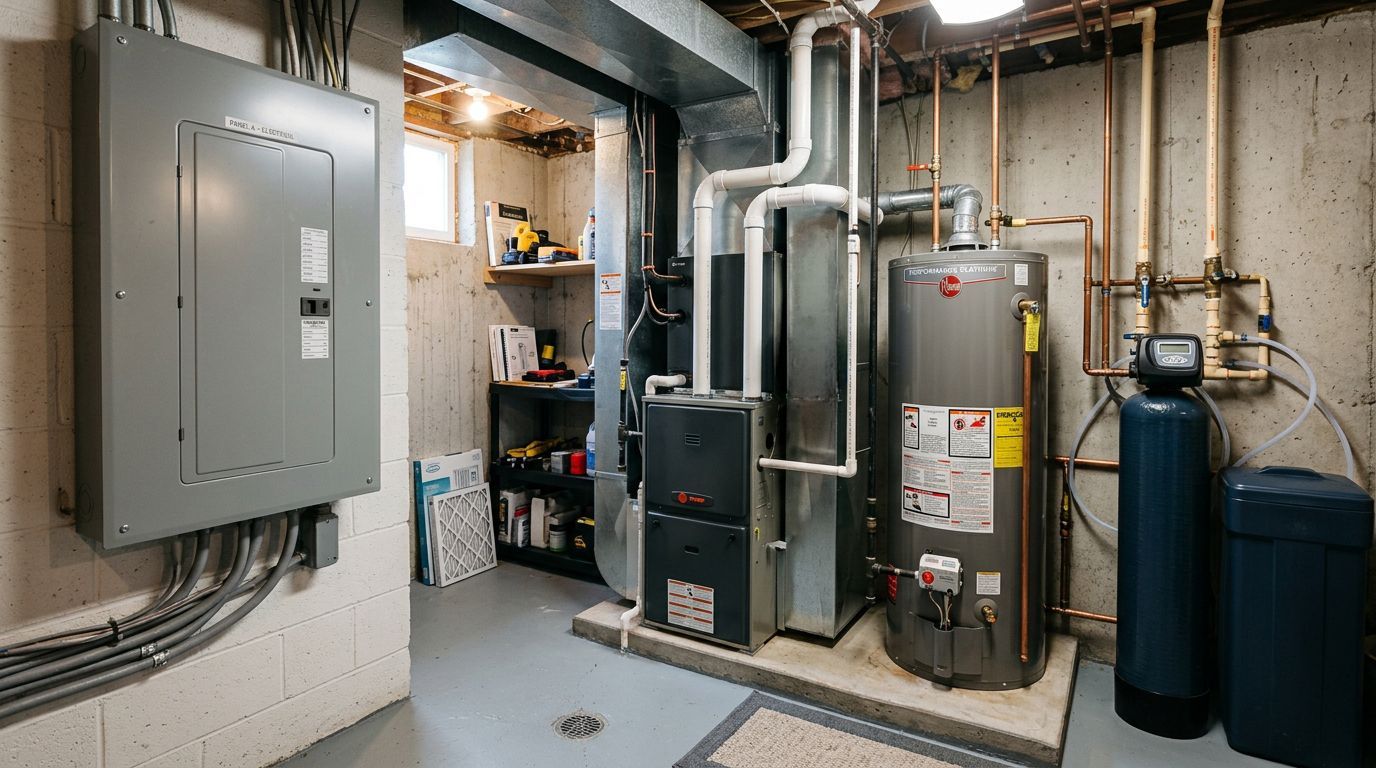
Basement utility room with water heater, furnace, electrical panel, and storage tanks.

Get Heating, Plumbing, and Safety Systems Ready for the First Freeze

A working heating system becomes much more important once Grand Rapids nights turn cold. Before a full home inspection, schedule a furnace tune-up early in October if it is due, replace the filter, and test the thermostat. A complete home inspection can reveal whether the home's heating and air equipment performs reliably.


Run the heat long enough to confirm that each room warms up. Note cold rooms, noisy vents, unusual odors, or a system that turns on and off too often. Don't ignore those signs.


Protect plumbing and accessible mechanical spaces

During a buyer’s home inspection, confirm that garden hoses are disconnected and exterior hose bibs are shut off if your home has an indoor shutoff valve. Drain the outdoor faucet when appropriate. Leaving a hose connected can trap water where freezing temperatures may damage the fixture.


Look at pipes near exterior walls, garages, crawlspaces, and unheated basement corners. Add insulation where it is appropriate, and keep cabinet doors open during severe cold if vulnerable pipes sit behind them.


Make the furnace, water heater, electrical panel, sump pump, and shutoff valves easy to reach before a full home inspection. Service records for the furnace, water heater, and any recent plumbing repairs can answer common buyer questions before they become bigger concerns.


Test smoke detectors, carbon monoxide detectors, and fireplaces

Before an inspection, test each smoke detector and carbon monoxide detector. Replace smoke detector batteries, and replace an expired smoke detector according to the manufacturer's instructions. Carbon monoxide safety deserves extra attention when furnaces, fireplaces, and wood stoves are back in regular use.


If you have a fireplace or wood stove, have it maintained before the first fire of the season, and check the nearby smoke detector. Home inspectors typically review readily accessible fireplace components, but a chimney or fireplace specialist may be needed for a more complete evaluation. Before a showing or inspection, remove stored items from around the appliance and arrange maintenance if the fireplace has not been serviced recently.


A frost advisory and a hard freeze can create different risks for outdoor plumbing, landscaping, and vulnerable exterior fixtures. Local forecasts from the National Weather Service Grand Rapids office are the best source for current West Michigan frost and freeze alerts. For homeowners, the practical takeaway is simple: prepare outdoor plumbing before cold weather has a chance to surprise you.


Help the Appraiser Understand Your Home’s Updates

An inspection and an appraisal are different, even though both may happen during the same sale. An inspector evaluates visible systems and potential defects during a full home inspection. An appraiser estimates market value by reviewing condition, quality, updates, effective age, finished space, and comparable sales.


A standard home inspection is a visual, non-invasive review of accessible parts of a home. Specialized concerns, such as chimney conditions, sewer lines, mold, roof performance, drainage, or structural movement, may require evaluation by a qualified specialist. The American Society of Home Inspectors Standards of Practice explains the general scope of a professional inspection.


A detailed improvement sheet can help an appraiser understand recent work and features that may not be obvious during a short visit. It does not guarantee a specific value, but it can provide useful context for permitted improvements, major replacements, and finished space.


A home inspection is not the same as an appraisal. The appraiser isn't there to create a repair list. Still, visible deferred maintenance can affect how the home's condition is viewed.


Prepare a concise improvement sheet

Create a one-page list of meaningful updates for the appraiser and home inspector. Include dates, contractor names, permits when applicable, warranties, and invoices. Mention the roof age, furnace age, water-heater replacement, insulation work, windows, energy upgrades, additions, and finished basement spaces.


Keep the list factual. "Roof replaced in 2022, invoice available" is more useful than broad claims about quality. A building permit may be relevant for additions, finished basement areas, roof work, or electrical updates. If work was done without a building permit, don't guess about its status. Be honest and discuss the details with your agent.


Local records and requirements can vary by municipality and property use. In the City of Grand Rapids, sellers can review available permit information through the city’s permit website page and contact the Grand Rapids Development Center with questions about permits, inspections, or local requirements.


If you are selling outside the City of Grand Rapids, check with the applicable municipality before assuming the same rules apply.


If you live in East Grand Rapids, Ada, Kentwood, Rockford, Byron Center, or another community, contact that municipality's appropriate office instead. Confirm requirements with the development center before work begins, when that office handles local approvals.


If you are selling a currently tenant-occupied property in the City of Grand Rapids, confirm that the property’s rental registration and Certificate of Compliance are current. The City’s Rental Certification Program explains the local process.


If the home was rented in the past but is no longer a rental, ask your agent and the appropriate local office which records or requirements may still be relevant to the sale.


A rental inspection may follow different requirements from a sale-related inspection. Confirm with the appropriate local authority whether a certificate of compliance is required. Don't assume every property needs a certificate of compliance.


Improve the first impression without overspending

Before a full home inspection, clean entry steps, make house numbers easy to see, and replace exterior bulbs. Trim branches away from the roof and windows. Rake leaves, wash windows, touch up worn paint, refresh failing caulk, and keep rooms uncluttered.


Expensive renovations aren't always the right move before an appraisal or sale. A deep clean, neutral touch-up paint, simple landscaping, and repaired visible defects often make more sense than rushing into a major project with an unclear payoff.


In East Grand Rapids, Ada, Kentwood, Rockford, and Byron Center, buyer expectations can vary block by block. Compare your home with nearby properties that are truly similar in location, size, lot, condition, and updates. A current comparative market analysis is more useful than a broad median price or online estimate.


Schedule before weather and daylight create delays

Book inspections, appraisals, contractors, and photography early in October when possible. If you need to schedule an inspection, start with the complete home inspection and ask about online scheduling through the inspector, appraiser, contractor, or local office.


Wet yards, frozen ground, unsafe roofs, blocked access, and early snow can limit what professionals can confirm. If snow or frozen conditions hide drainage, grading, roof surfaces, or foundation details, share warm-weather photos and maintenance records. Your agent can also discuss whether a follow-up visit makes sense.


Early scheduling gives you more options. It also leaves time to respond if an inspector, appraiser, or contractor finds something that needs attention.


Be Honest About Known Conditions

Keeping repair records is helpful, but documentation does not replace honest disclosure. If you know about a recurring water issue, past repair, or unfinished project, talk with your real estate agent about the best way to document and disclose it.


Clear information can reduce surprises during the inspection period and help buyers understand what was repaired, when the work was completed, and what records are available.


Michigan sellers are generally required to provide a Seller’s Disclosure Statement that addresses known conditions affecting the property. The
Michigan Seller Disclosure Act includes the state’s disclosure form and instructions.


Your Cornerstone Home Group agent can help you understand the selling process, but sellers should complete disclosures honestly and seek legal advice when they have questions about a specific condition or obligation.


Frequently Asked Questions


What should I do before a Grand Rapids home inspection?

Ensure clear access to the attic, basement, crawlspace, electrical panel, furnace, water heater, sump pump, and exterior areas. Address visible leaks, drainage problems, loose railings, missing outlet covers, and other small repairs before the appointment.


Should I schedule a furnace tune-up before an October inspection?

If the furnace is due for service, schedule a tune-up early in October and replace the filter. Test the thermostat and note any cold rooms, unusual odors, noisy vents, or frequent cycling.


What records should I provide during an inspection or appraisal?

Gather invoices, service reports, permits, warranties, and before-and-after photos for major repairs and updates. Include information about the roof, furnace, water heater, windows, insulation, electrical work, plumbing, and finished basement areas.


Is a radon test included in a standard home inspection?

Radon testing may be separate from a standard home inspection, especially in a basement or lower-level home. Ask the inspection company whether a radon test makes sense for your property and whether it should be scheduled separately.


How can I prepare my home for October weather?

Clean gutters, extend downspouts away from the foundation, clear window wells, disconnect garden hoses, and protect vulnerable plumbing before the first freeze. Keep walkways dry and well lit, and arrange professional help for unsafe roofs, recurring moisture, or drainage problems.


A Smoother Fall Sale Starts With Honest Preparation

Clear access, solid water management, dependable heat, protected plumbing, tested safety devices, good lighting, and organized records are the highest-value October tasks. They help a full home inspection move forward smoothly and help buyers see the home clearly.


Honest documentation builds confidence when questions come up. Maintenance records and timely disclosures help keep inspection requests, appraisal conversations, and closing plans grounded in facts.


Thinking about selling this fall or winter? Cornerstone Home Group can help you decide which repairs matter, prepare for inspections and appraisals, and price your home based on current Grand Rapids market conditions.


Talk with a Cornerstone Home Group agent about your selling plan.

Kevin Lee, broker/owner of Cornerstone Home Group in Grand Rapids, Michigan

ABOUT THE AUTHOR

The Cornerstone Home Group Team shares helpful real estate advice for buyers, sellers, and homeowners in Grand Rapids, Michigan, and throughout West Michigan. Our blog covers local market trends, home buying tips, home selling strategies, neighborhood insights, and answers to common real estate questions. Blogs are reviewed by Kevin Lee, Broker and Owner of Cornerstone Home Group, to help ensure the information is accurate, useful, and up to date. If you are looking for a trusted Grand Rapids real estate resource, you are in the right place.

Share on

Read other blog posts

Family gathered around a kitchen table, preparing and eating food in a cozy home kitchen.
By CHG Team September 10, 2026
Buying a home in Grand Rapids after school starts is possible. Learn how to plan school enrollment, transportation, budgets, closing dates, and a lower-stress move.
Blue steel bridge over a river with city buildings and rocks in the foreground under a partly cloudy sky
By CHG Team August 17, 2026
ArtPrize housing guide for Grand Rapids stays and investments, with tips on walkable locations, parking, rental rules, and year-round property planning.
Autumn suburban house with porch, stone exterior, and orange trees lining the yard and street
By CHG Team August 4, 2026
Fall Market Planning in Grand Rapids starts early. Prepare, price, and market your home to attract serious buyers after Labor Day with confidence.